Kwangwoon University Successfully Hosts the 16th International Symposium on Plasma Bioscience (ISPB 2026)
- More Than 150 Participants from 12 Countries Gather to Share the Latest Research in Plasma Bioscience, Medicine, Agriculture, Environment, and Materials -
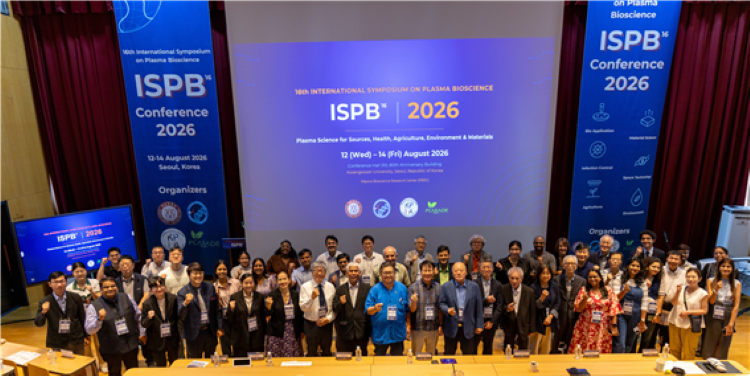
Kwangwoon University, led by President Yoon Do-young, successfully hosted the 16th International Symposium on Plasma Bioscience (ISPB 2026) from August 12 to 14, 2026, at Kwangwoon University in Seoul. The international symposium brought together scientists, researchers, industry professionals, and emerging scholars from around the world to share the latest research findings in plasma science and explore a wide range of interdisciplinary applications.
ISPB 2026 was jointly hosted and organized by Kwangwoon University, the Department of Electrobiophysics, the Plasma Bioscience Research Center (PBRC), the Korea Plasma Bio Industry Association (KPIA), and Plasade Co., Ltd. Launched in 2011, ISPB reached its 16th edition this year and has grown into an international forum for academic exchange connecting fundamental plasma science with applications in bioscience, medicine, agriculture, environmental science, materials, and industry. This year’s symposium attracted approximately 150 participants from 12 countries, with more than 75 research abstracts presented. The academic program covered a broad range of topics, including plasma sources and diagnostics, plasma bioscience and medicine, healthcare, agricultural and food applications, environmental engineering, biomaterials, nanotechnology and nanomaterial synthesis, materials engineering, and space technology. Through keynote and invited lectures as well as research presentations, participants shared the latest research achievements and explored opportunities for new international collaborations and research networks.
In particular, the symposium placed a strong emphasis on the practical and industrial applications of plasma science. Participants discussed the diverse potential of next-generation plasma technologies to contribute to advances in healthcare and medicine, infection control, agriculture, environmental sustainability, advanced materials, nanotechnology, and future industrial technologies.
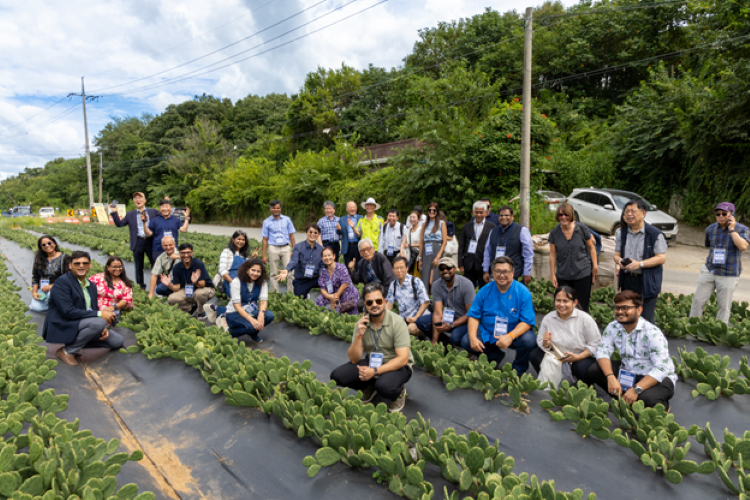
On August 13, a conference tour was also organized to a plasma farm in Yeoncheon, northern Gyeonggi Province. Participants had the opportunity to observe firsthand an agricultural technology that uses plasma-generated nitric oxide (NO)-enriched water to cultivate a variety of fruits and vegetables. The visit allowed them to explore the potential applications of plasma technology in advancing sustainable agriculture for the future.
The tour continued with visits to the Demilitarized Zone (DMZ) area in Paju and Pyeonghwa Nuri Park, where participants experienced the history of the Korean Peninsula and reflected on the significance of peace.
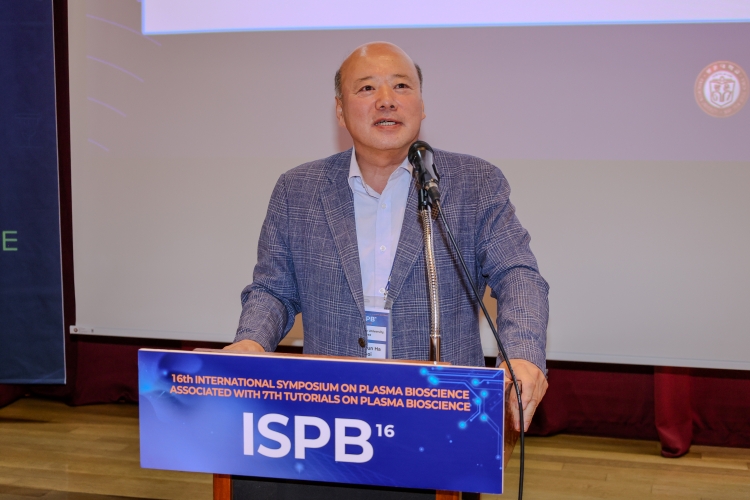
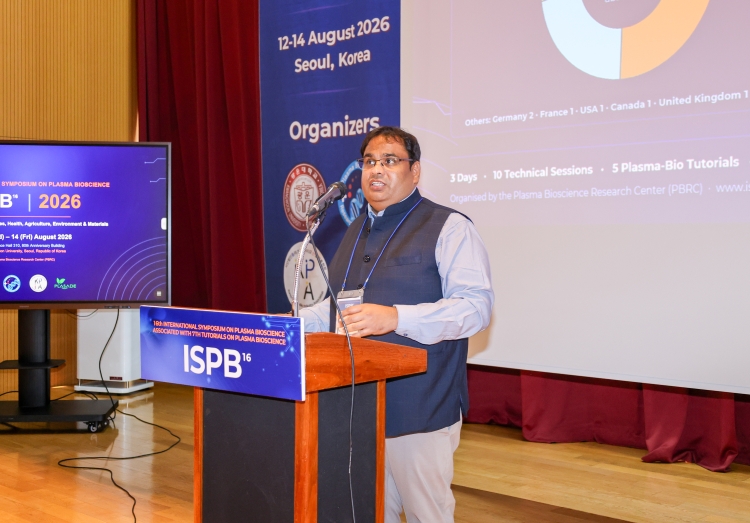
Professor Choi Eun-ha of Kwangwoon University and Professor Narendra Kaushik, Co-Chairs of the ISPB 2026 Organizing Committee, said, “We would like to express our deepest gratitude to all keynote and invited speakers, participants, session chairs, sponsors, exhibiting companies, partner institutions, students and volunteers, and members of the organizing committee who contributed to the successful and smooth operation of the symposium.”
Building on the success of this year’s event, the organizing committee plans to continue fostering academic exchange and collaboration among researchers from around the world at the 17th International Symposium on Plasma Bioscience (ISPB 2027), to be held next year.




