Beyond Graduation, Over The Borders
- How Kwangwoon University Shaped an International Student's Journey from Campus to CEO -
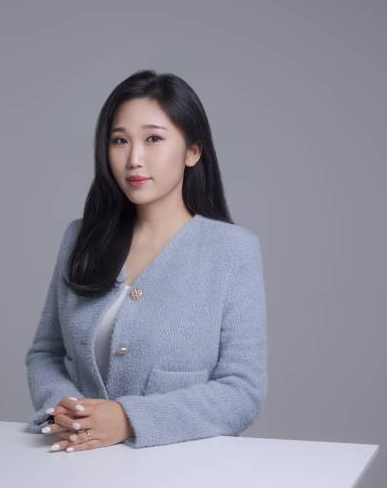
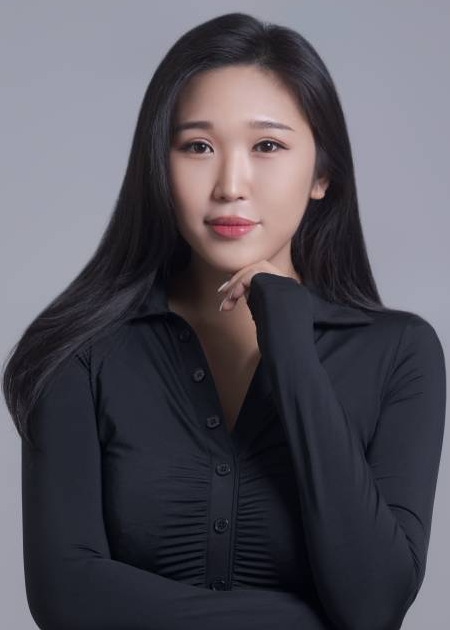
Studying abroad is more than earning a degree. It is an opportunity to grow, challenge yourself, and build a future. For Din Violetta Andreevna (Department of Business Administration,‘18), Kwangwoon University was the starting point of a successful career in Korea. Now the CEO of V-Education, she reflects on her journey and shares advice for future international students.
Q. Could you briefly introduce yourself and tell us about your current role?
A. Hello, my name is Violetta Din, and I am the CEO of V-Education, an education consulting company specializing in international student recruitment and admissions consulting for Korean universities. For nearly nine years, I have been working to connect talented students from around the world with higher education opportunities in Korea, providing comprehensive support from university admissions to visa guidance and settlement.
Q. What were your first impressions when you arrived in Korea? How have they changed over time?
A. When I first arrived in Korea, everything felt incredibly fast-paced and unfamiliar. The language barrier and cultural differences were the biggest challenges I faced. Looking back, those experiences became valuable opportunities for personal growth. Today, Korea feels like my second home.
Q. Why did you choose Kwangwoon University, and what was your goal at the time?
A. I chose Kwangwoon University because of its generous scholarship opportunities, excellent academic environment, and well-established support system for international students. My goal was never simply to earn a degree. From the beginning, I wanted to build a strong foundation for a long-term career in Korea.
Q. What inspired you to pursue a career in Korea?
A. I believed Korea was a country full of opportunities and continuous growth. While preparing to study abroad, I noticed that many prospective international students struggled to find reliable information about studying in Korea. That experience inspired me to build a career focused on solving those challenges and supporting future students throughout their journey.
Q. When did you begin preparing for your career?
A. I actually started preparing before entering university. Rather than following a traditional job search path, I focused on gaining practical experience by solving real-world problems. Those experiences eventually led me to entrepreneurship instead of conventional employment.
Q. What was the biggest challenge when you first started preparing for your career?
A. The most difficult part was understanding the Korean job market and its systems. As an international student, I wasn't sure where to begin or what path would lead to meaningful career opportunities. Finding the right direction took time, but it also taught me how to create opportunities instead of simply waiting for them.
Q. How did you search for career opportunities?
A. Rather than relying solely on job postings, I focused on understanding the market and building professional networks. Through international student communities, university connections, and firsthand consulting experience, I identified real needs and created opportunities based on those insights.
Q. How important were your Korean and English language skills?
A. Practical communication skills were far more important than language certificates or test scores. Korean was essential in every aspect of my work from counseling students and collaborating with universities to negotiating agreements. English also became a valuable asset for communicating with international students and overseas partners.
Q. What do you consider your greatest strength as an international student?
A. I believe my greatest strengths are adaptability and independence. I came to Korea alone at the age of seventeen, so I had to learn how to solve problems on my own from an early age. Living in a completely new environment taught me responsibility, resilience, and the ability to adapt quickly to unfamiliar situations.
The first year was especially challenging because I spoke very little Korean and often felt frustrated by the language barrier. However, that difficult period also became the most transformative time in my life. By continuously challenging myself and overcoming obstacles, I became mentally stronger and more confident.
I believe studying abroad naturally develops independence, problem-solving skills, and adaptability. Those qualities have become my greatest strengths, enabling me to communicate effectively across cultures and thrive in diverse environments.
Q. Besides learning Korean, what other skills did you prepare to build your career?
A. Rather than focusing on earning certifications, I concentrated on gaining practical experience and developing problem-solving skills. I was involved in every stage of the international student recruitment process, including admissions consulting, document preparation, visa assistance, and collaboration with universities. I also worked on strengthening my skills in social media marketing and content creation, which have become essential tools for reaching and engaging prospective students.
Q. As an international professional, did you encounter any "invisible barriers" in the Korean job market?
A. It took time to understand Korean workplace culture and organizational hierarchy. In addition, some employers were concerned about visa issues or the possibility of long-term employment for foreign employees.
Fortunately, I was able to obtain a visa that allowed me to live and work in Korea long-term, which provided a relatively stable foundation for my career. However, I have seen many international professionals—including my husband and several friends struggle to find employment because of visa-related challenges.
In reality, foreign job seekers still face obstacles beyond their qualifications. Some companies are unfamiliar with hiring international employees or sponsoring work visas, which can make the recruitment process more complicated even for highly qualified candidates.
For this reason, I believe international applicants should familiarize themselves with visa regulations in advance and, when necessary, be prepared to explain the relevant procedures to potential employers. These administrative barriers remain one of the practical challenges facing international professionals in Korea today.
Q. What did you focus on when writing your résumé and cover letter?
A. Rather than simply listing my experiences, I focused on demonstrating measurable achievements and tangible results. I also made a conscious effort to highlight the unique strengths and global perspective I had developed as an international student, showing how those experiences could add value to the organization.
Q. What advice would you give for making a strong impression during a job interview?
A. I believe the most important preparation is to thoroughly research the company before the interview. Don't just learn about its strengths understand its challenges as well. If you can explain how your skills and experiences can help address those challenges and contribute to the company's future, you will leave a much stronger impression.
An interview should not be a one-sided conversation. Candidates should also ask thoughtful questions and engage actively with the interviewer. This demonstrates genuine interest and confidence.
Above all, confidence is essential. For international applicants, Korean language proficiency plays a crucial role. It's not about using sophisticated vocabulary; it's about expressing your thoughts clearly and communicating naturally with colleagues and supervisors. Even the most talented candidate may struggle to succeed if effective communication is difficult.
Q. What inspired you to become an entrepreneur instead of pursuing a traditional career?
A. As an international student myself, I experienced many of the challenges that students face while preparing to study in Korea. I wanted to create a system that could solve those problems more effectively. I also believed that entrepreneurship would allow me to create a greater impact than simply working for an existing organization.
Q. Could you briefly introduce your business?
A. V-Education is an education consulting company that connects international students with Korean universities. We provide comprehensive support throughout the entire study abroad journey from university admissions and visa applications to settlement and life in Korea.
Our business model is built on real experiences. Many of the services we offer were inspired by the challenges that I and other international students personally encountered while preparing to study in Korea.
Q. Why did you decide to focus on recruiting students from CIS countries?
A. Students from CIS countries have a strong interest in studying in Korea, but many of them struggle to access reliable and practical information. Having gone through the same process myself, I understood exactly where the information gaps existed and what obstacles students commonly faced.
I realized that bridging this gap could make a meaningful difference in their lives, and that became the primary motivation for starting my business.
Q. What was the biggest challenge during the early stages of your business, and how did you overcome it?
A. Navigating Korea's legal and administrative procedures as a foreign entrepreneur was a huge debacle. Building trust with students, partner universities, and other organizations was another significant hurdle.
To overcome these challenges, I devoted myself to learning, sought advice from professionals in different fields, and consistently demonstrated my credibility through results. Over time, those efforts helped establish long-term trust and sustainable growth.
Q. What challenges do you still face as a foreign entrepreneur in Korea?
A. In the beginning, legal and administrative procedures were particularly unfamiliar and often quite complex. Running a business as a foreigner in Korea requires careful attention to many details that local entrepreneurs may take for granted.
Whenever I encountered difficulties, I sought guidance from experts and studied the relevant regulations myself. Although the process was not easy, it ultimately strengthened my confidence and helped me grow both personally and professionally.
Q. Which class or experience at Kwangwoon University had the greatest impact on you?
A. The marketing courses were the most valuable part of my university experience. They gave me practical insights into how to communicate effectively with students, build a strong brand, and promote services through social media. Many of the concepts I learned could be applied immediately in real business situations, and they continue to play an important role in the way I manage my company today.
Q. Were there any university programs that you found particularly helpful?
A. Yes. Kwangwoon University's support system for international students was extremely helpful, especially the mentoring and networking programs. They provided valuable opportunities to connect with other students, build relationships, and adapt more smoothly to university life in Korea.
Q. How did interacting with Korean students influence your university experience?
A. Building friendships with Korean students helped me better understand Korean culture while significantly improving my language skills. These interactions made my university life much more meaningful. I believe universities can further enrich the international student experience by creating even more opportunities for meaningful exchange between Korean and international students.
Q. What efforts did you make to build friendships with Korean students?
A. I made a conscious effort to communicate with Korean students and actively build friendships. However, it wasn't always easy. Looking back, I think programs such as mentoring, buddy systems, and collaborative activities between Korean and international students would make it much easier to form genuine relationships and learn from one another.
Q. What advice would you give to international students to make the most of their university life?
A. Don't wait for opportunities to emerge. You must create them yourself. Take the initiative to approach Korean students and make friends with people from diverse backgrounds. Get involved in campus activities, explore part-time jobs, internships, entrepreneurship, or any experience that allows you to grow beyond the classroom.
The more you challenge yourself, the more opportunities you will discover.
Q. If you could go back to your university days, what would you do differently?
A. I would challenge myself even more. I would spend more time exploring my passions, pursuing my dreams, and taking on new experiences without fear of failure. Every challenge becomes a valuable lesson that shapes your future.
Q. What are the three most important pieces of advice you would give to future international students?
A. First, develop your Korean language skills to a professional working level. No matter how strong your qualifications are, communication barriers can limit your opportunities.
Second, actively build your network by connecting with professors, classmates, alumni, and industry professionals.
Third, gain as much hands-on experience as possible through internships, part-time jobs, volunteer work, or personal projects. Real-world experience is one of the greatest assets you can have.
Q. As a Kwangwoon University alumna, what would you like to see the university provide for future international students?
A. I hope Kwangwoon University will continue expanding programs that encourage interaction between Korean and international students. Building meaningful friendships is one of the most valuable parts of studying abroad.
I also hope the university will further strengthen career development initiatives by offering more practical employment support, internship opportunities, and career preparation programs tailored to the needs of international students.
Q. What are your future goals?
A. Korea has become my second home, and my goal is to continue expanding my business so that more students from around the world can pursue their education in Korea.
Beyond helping students gain access to higher education, I also hope to introduce the culture of Korea to people not only in Uzbekistan but across the globe.
Ultimately, I want to serve as a bridge connecting talented students with educational opportunities in Korea while promoting greater cultural understanding between Korea and the international community.




