Beyond Graduation, Beyond Borders
: Banu's Journey to a Global Career
- How Banu Built a Global Career Through Kwangwoon -
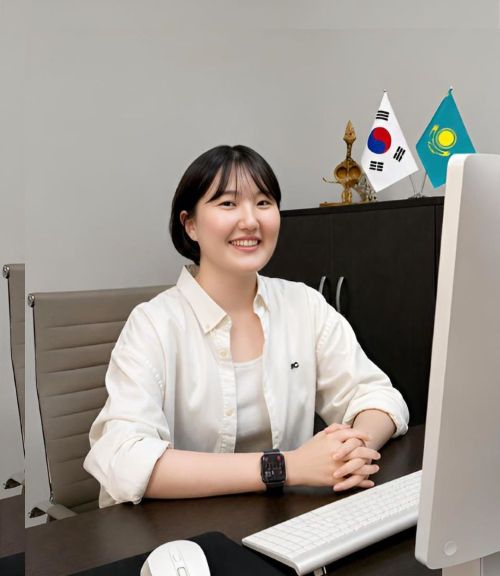
After graduating from Kwangwoon University, Banu began her career at a Korean marketing company in Kazakhstan, where she now works as a manager coordinating projects between the Korean headquarters and the local branch. In this interview, she shares how her university experience, Korean language skills, and willingness to embrace new challenges helped shape her career and offers practical advice for international students preparing for employment.
Q. Could you briefly introduce your company and your current role?
A. I currently work for a Korean marketing company based in Kazakhstan, where I have been serving as a manager for the past two years. My responsibilities include coordinating operations between the Korean headquarters and the local branch, managing official documentation, supporting project operations, and facilitating communication. I also handle customs-related tasks, prepare daily financial reports, and assist with planning promotional campaigns.
Q. What made you decide that you wanted to work in a Korean company?
A. I wanted to continue developing my Korean language skills while building a career related to Korea. After studying Korean for about six years, I didn't want my learning to end in the classroom. Instead, I hoped to use the language in a real working environment and build a meaningful career based on the skills I had developed.
Q. When did you start preparing for employment, and how long did the process take?
A. The entire process took about two months. I graduated from Kwangwoon University in August 2024. In September, I took some time to travel and think about my future career. During October, I spent time with my family while preparing for employment, and I joined my current company in November.
Q. How helpful were your Korean language skills or English proficiency during the job search?
A. Since most of my colleagues are Korean, my Korean language skills have been extremely valuable in my daily work. I frequently communicate with the headquarters in Korea and often use Korean, Kazakh, and Russian together, making multilingual communication one of my greatest strengths. I also actively use Korean for translation, document preparation, and coordinating various tasks. Personally, I believe that being able to speak multiple languages opens up more opportunities and will continue to be a valuable asset throughout my career.
Q. How did you find job openings and apply for your current position?
A. I found the job posting in Kazakhstan and applied directly after reviewing the recruitment announcement.
Q. What was the most challenging part of the hiring process, and how did you overcome it?
A. The interview was the most challenging part of the hiring process. I had no trouble understanding the questions, but I felt that I could have communicated my thoughts in a more professional and structured way. Looking back, I wish I had prepared for the interview more thoroughly. I also realized how important it is to research the company in advance and prepare thoughtful questions to ask the interviewer.
Q. Why did you choose your current company?
A. The biggest reason was that the company gave someone with limited experience like me an opportunity to grow. I also appreciated the friendly and collaborative working environment, which helped me adapt quickly. Although the position is not exactly aligned with my major or original career plan, I find it meaningful because I have been able to learn new skills and broaden my professional experience through a variety of responsibilities.
Q. As an international student, what do you think was your greatest strength?
A. I believe my greatest strengths are my ability to communicate fluently in Korean and my ability to understand and adapt quickly to Korean culture. In addition, my multicultural background allows me to approach situations with flexibility, and I enjoy collaborating with others to achieve common goals.
Q. Besides Korean, what other skills did you prepare?
A. I didn't prepare any specific certifications or portfolios in advance. Instead, I developed practical skills through hands-on work experience. By supporting different departments, I gained experience in design support, promotion planning, customer service, and many other practical areas, which broadened my understanding of business operations.
Q. How did you prepare yourself for Korean corporate culture and interview styles?
A. At Kwangwoon University, I took career development and employment strategy courses designed specifically for international students. I also learned a great deal from YouTube, various online resources, and friends who had already found jobs in Korea.
Q. What did you pay special attention to when writing your résumé or personal statement?
A. I focused on presenting my own experiences and personal story in a sincere way. At the same time, I tried to use natural Korean expressions and organize my writing with a storytelling approach that would engage the reader.
Q. Do you have any interview tips or frequently asked questions you'd like to share?
A. Rather than relying on special techniques, I believe it is most important to answer questions honestly and consistently. Maintaining a bright attitude, professional appearance, and neat attire also helps create a positive first impression.
Q. Which classes, major, or campus activities helped you the most in finding a job?
A. The employment-related courses for international students at Kwangwoon University were especially helpful. They gave me a clear understanding of the Korean job market and how to prepare for employment. Participating in career fairs also allowed me to communicate directly with companies, which was a valuable experience.
Q. Were there any extracurricular activities that helped you build your career skills?
A. I believe that a wide range of experiences broadens both your perspective and your understanding of the world. My part-time job gave me firsthand experience with Korean society and helped me develop customer service skills and practical workplace experience. Although I did not participate in many extracurricular activities, I believe real-world experience is one of the best ways to learn.
Q. Is there a university program you would recommend to other international students?
A. The Korea International Trade Association (KITA) program that I participated in during 2024 was particularly memorable. It helped me better understand the business environment and gave me a clearer vision for my future career.
Q. How did interacting with Korean students influence your university life and job preparation?
A. Building friendships with Korean students greatly helped me adjust to life in Korea and prepare for employment. Through my Korean friends, I learned about daily life, campus life, good restaurants, and effective study methods, which made it much easier to adapt.
Q. Was there ever a time when you wanted to return to Kazakhstan?
A. There were moments when I struggled financially or felt exhausted from balancing my studies and part-time work. During those times, I briefly considered returning home. However, I reminded myself that these experiences would become valuable assets for my future, which motivated me to keep going.
Q. What was the biggest challenge in adapting to life in Korea as a Kazakh student?
A. Since I have always loved Korean culture, adapting overall was not very difficult. However, when I first attended the Korean language institute, the food felt unfamiliar. Now, Korean food has actually become my comfort food. I also found Korea's hot and humid summers difficult to adjust to.
Q. Was there anything or anyone that helped you adapt to life in Korea?
A. The greatest source of support was my friends. Spending time with classmates, especially friends from the International Studies program, helped me understand Korean life more deeply and adjust much more quickly.
Q. Did you make an effort to become friends with Korean students?
A. Yes. I believe the most important thing is to take the initiative and approach Korean students first. They may seem quiet at first, but once you get to know them, they are incredibly kind and supportive. Participating in mentoring programs and student clubs is also a great way to make friends.
Q. Was there anything about Korean university life or workplace culture that surprised you?
A. Rather than finding it difficult to understand, I was most surprised by the highly competitive course registration process. It reminded me of trying to buy tickets for a popular K-pop concert. I also appreciated that there was not a strong sense of hierarchy between seniors and juniors at Kwangwoon University. While respect was always important, students communicated with one another in a friendly and approachable way, which made it easy for me to adapt.
Q. What was your personal "survival tip" for making the most of your university life?
A. My personal philosophy is, "You'll never know until you try." Whenever I had the opportunity to participate in something new, I challenged myself instead of being afraid. I believe staying curious and actively engaging in campus life, meeting new people, and gaining diverse experiences are the keys to making university life meaningful.
Q. What three pieces of advice would you give to international students preparing for employment in Korea?
A. First, believe in yourself. Without confidence, it is difficult to demonstrate your true abilities during interviews. Second, thoroughly research the companies you are applying to. Understanding the company's business, culture, and job requirements will help you make a stronger impression. Third, prepare relevant certifications and job-related skills in advance. Even small efforts can strengthen your competitiveness and boost your confidence.
Q. If you had to emphasize just one thing, what would it be?
A. It's difficult to choose just one because all three are important. However, one thing I want to emphasize is that you should never be discouraged by unsuccessful interviews. Job hunting often involves many interviews, and every interview becomes valuable experience. Those experiences will eventually lead you to the opportunity that is right for you. Stay positive, keep learning, and don't give up.
Q. Is there any additional support you hope Kwangwoon University could provide for international students?
A. I hope the university will provide more opportunities for international students to participate in career fairs and recruitment events. It would also be wonderful if more internship opportunities and stronger partnerships with companies could be established so that international students can gain practical work experience.
Q. What is important for adapting to Korean workplace culture?
A. I believe the most important thing is maintaining a willingness to learn. Ask questions whenever you are unsure, be honest about what you don't know, and always be eager to improve. In addition, continuously developing your Excel skills, document writing abilities, and proficiency in both Korean and English will greatly benefit your career.
Q. You are now working for a Korean company in Kazakhstan. Would you like to work in Korea again someday?
A. Yes, absolutely. If I have the opportunity, I would love to work in Korea again. My experience studying in Korea was incredibly meaningful, and I hope to continue building my career in fields related to Korea.
Q. Finally, what are your future goals?
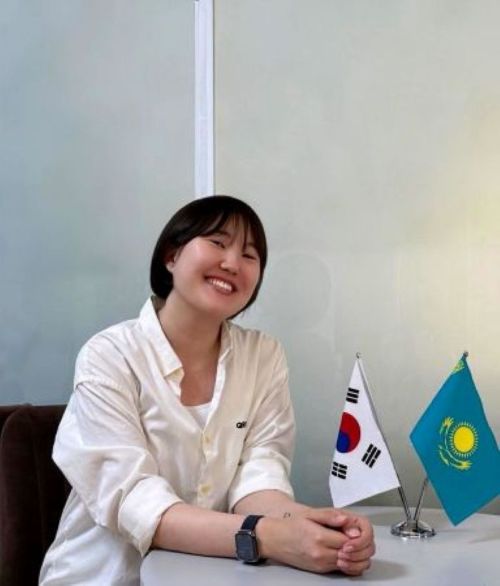
A. I hope to continue growing in a career where I can use my Korean language skills and expertise related to Korea. My long-term goal is to serve as a bridge between Korea and Kazakhstan by contributing to cultural exchange and business cooperation between the two countries.




