Building a Global Career in Korea
: An International Graduate’s Journey into Tourism and K-POP Marketing
- Career Journey of an International Student in Korea -
After graduating from Kwangwoon University, one international student successfully launched a career in Korea’s tourism and entertainment industry. Now working on SM Entertainment Japan’s CONCONTOWN project, TRAN THI NGOC MINH(Department of Communication, ‘22) shares her experiences preparing for employment in Korea, adapting to Korean workplace culture, and building a successful career through language skills, internships, and global competencies.
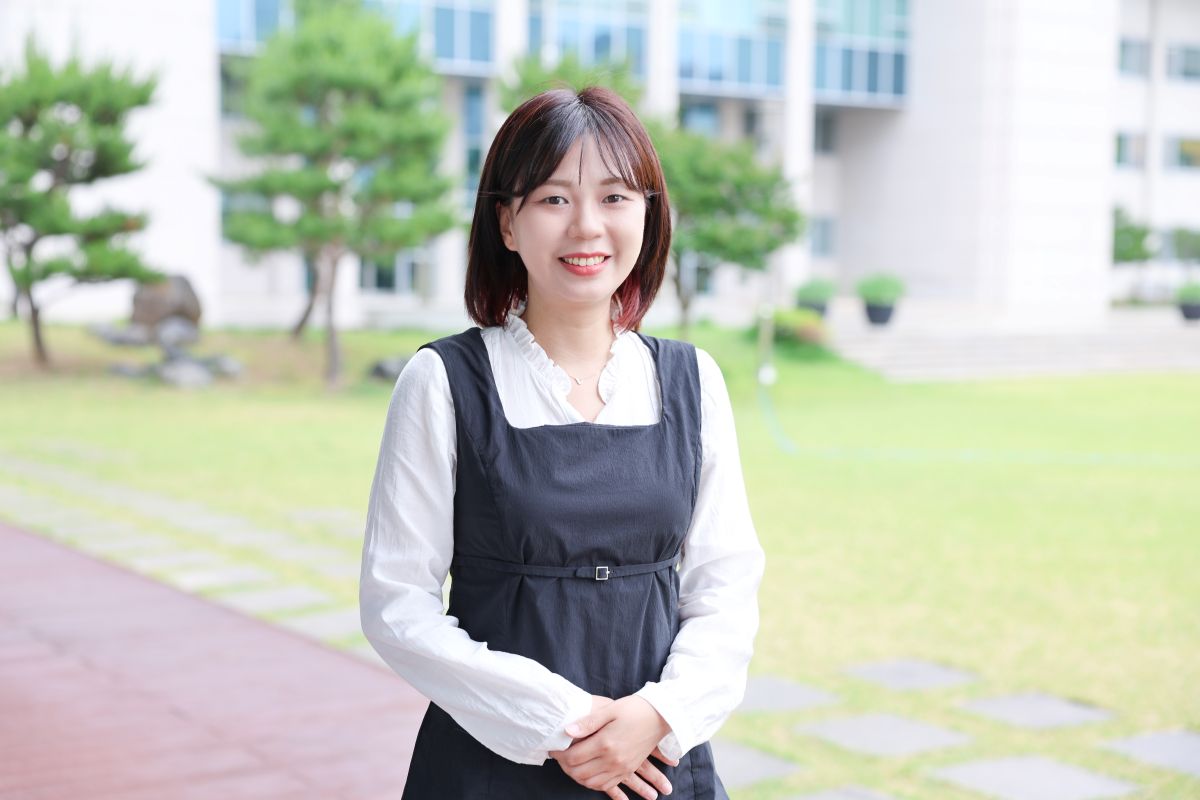 TRAN THI NGOC MINH(Department of Communication, ‘22) SM Entertainment Japan’s CONCONTOWN project
Q. Please briefly introduce your current company and position.
A. I have been working for approximately two years on the CONCONTOWN project, a Korean subsidiary project of SM Entertainment Japan. My main responsibilities include developing marketing strategies for international customers, collaborating with business partners, and planning and operating travel packages linked to K-pop concerts and events.
Q. What was the biggest reason you decided to pursue employment in Korea?
A. While studying in Korea, I recognized the growth potential of both the tourism and K-pop industries. I also believed that Korea offered numerous global opportunities, which ultimately motivated me to pursue a career here.
Q. When did you start preparing for employment, and how long did it take?
A. I began preparing for employment while attending graduate school. I spent approximately six months learning about Korean recruitment processes, resume writing, and personal statement preparation before actively applying for positions.
Q. What Korean language proficiency test or English proficiency test scores did you submit when applying for your current company?
A. I obtained TOPIK Level 5 in Korean. In English, I hold a C1-level proficiency under the CEFR(Common European Framework of Reference for Languages), which allows me to handle professional business communications smoothly.
Q. Through which channels did you obtain job information and apply for positions?
A. I gathered employment information through job search websites such as Saramin and JobKorea, as well as social media platforms and personal networks.
Q. What was the most challenging part of the employment process, and how did you overcome it?
A. One of the most difficult aspects of the job search process was writing my resume. Since a resume makes the very first impression on recruiters, I believed it was important to learn how to prepare one effectively.
Additionally, many companies now require portfolios. To prepare, I researched portfolio-writing methods through online resources such as Naver and sought advice from alumni and seniors who had successfully secured jobs in Korea.
Q. What was the biggest reason you chose your current company?
A. The main reason was that the position allows me to utilize my multilingual abilities and global experience while working in the tourism industry. I also felt that the company’s employee benefits and work environment were a good fit for me.
Q. As an international student, what do you think was your unique strength compared to Korean applicants?
A. I believe my greatest strengths are my multilingual abilities and understanding of global cultures.
Because I can communicate in Vietnamese, Korean, and English, and because I understand both the Korean and Southeast Asian markets, I was able to position myself as a strong candidate in global business environments.
Q. What competency, besides Korean language proficiency, did you consider most important?
A. In addition to Korean proficiency, I focused heavily on practical work experience and communication skills. Through my experience in online marketing, I gained hands-on experience in content creation and customer communication. I also organized the projects I participated in into a portfolio to demonstrate my practical capabilities.
Q. Did you make any special efforts to adapt to Korean corporate culture and interview styles?
A. I studied Korean recruitment information and interview culture in advance, and I always researched the company and position I was applying for. I also believe that presenting a neat and professional appearance is important, even if formal business attire is not required. Since first impressions matter, I made a conscious effort to prepare both my appearance and overall presentation.
Q. What did you focus on most when writing your personal statement as an international student?
A. Rather than simply emphasizing that I was a foreign applicant, I focused on highlighting my ability to connect global markets and contribute to diversity. In particular, I emphasized my experience and capabilities in bridging Korean and international markets.
Q. Do you have any interview tips or frequently asked questions you would like to share?
A. During interviews, I tried to clearly explain why I wanted to work in Korea and what value I could bring to the company. I also believe it is important to answer questions based on real experiences rather than theoretical examples.
Q. How did you prepare for the work visa process?
A. I changed my visa status from D-2 to F-6, so I do not have experience with the E-series work visa process.
Q. What courses, major, or activities at Kwangwoon University helped you most with employment?
A. Courses related to communication were especially helpful. In particular, classes on media and marketing, as well as data analysis and visualization techniques learned through research and thesis work, are directly applicable to my current job.
Q. Which activities helped you develop employability skills the most?
A. My internship experience was the most valuable. It allowed me to apply what I learned in my major to real work situations and gain firsthand experience with corporate culture and workplace environments. Since many companies today prefer candidates with relevant experience, internships played a significant role in my employment preparation.
Q. Which university support programs would you recommend to other international students?
A. While searching for information is important, I believe networking is even more critical. The university’s career counseling programs and alumni networks were extremely helpful, and I strongly recommend that current students take advantage of them.
Q. How did interactions with Korean students help your job preparation and adaptation to Korean society?
A. Through interactions with Korean friends, I was able to learn not only the language but also Korean culture and communication styles naturally. These experiences greatly helped me adapt to Korean companies and society.
Q. What are the three most important pieces of advice you would give to international students preparing for employment in Korea?
A. First, improve your Korean language proficiency. Second, understand Korean corporate culture and recruitment practices. Third, gain diverse experiences and build networks during your university years.
Q. What is the one thing international students must prepare for employment in Korea?
A. Korean language skills! Korean language skills! Korean language skills!
I emphasize it three times because it is that important. No matter how talented you are, smooth communication and strong interpersonal relationships are essential in the workplace.
Q. What improvements would you like to see from Kwangwoon University for international students?
A. I would like to see more employment-related information and stronger corporate networking opportunities specifically for international students.
Q. What is important for adapting successfully to workplace life in Korea?
A. I believe communication skills and teamwork are the most important factors. In addition, understanding Korean workplace culture is essential.
Q. What does “successful employment in Korea” mean to you?
A. I believe successful employment is not simply about getting a job. Rather, it means building a win-win relationship in which you can utilize your abilities while growing together with the company.
Q. What are your future plans?
A. I plan to continue improving my Korean language skills and learn a third foreign language. I also intend to participate continuously in professional activities and training programs that can contribute to my work. I believe that if you are not moving forward, you are moving backward, so I want to continue growing throughout my career.




