From International Student to Marketing Professional
: Wang Jiaqi’s Career Journey in Korea
- From International Student to Working Professional-
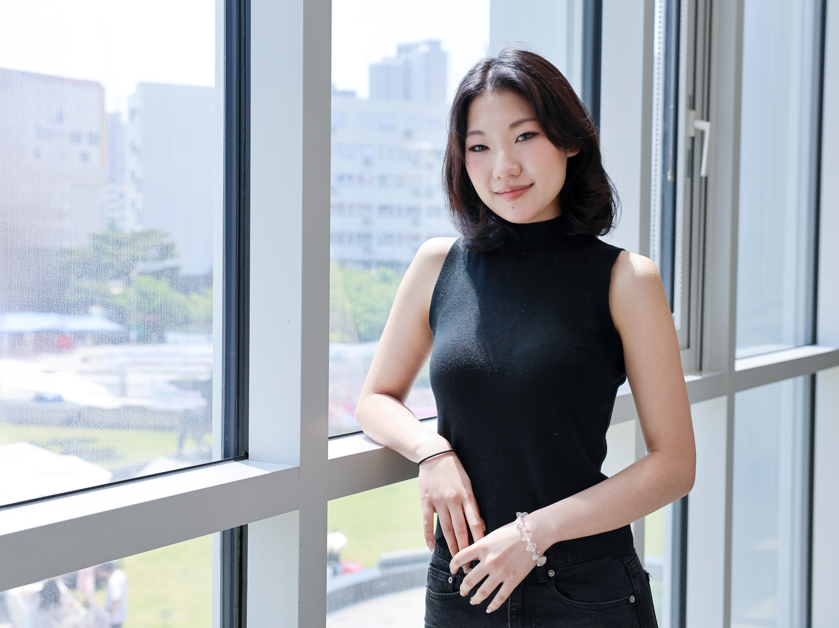
For many international students, pursuing a career in Korea requires more than just academic achievement—it demands adaptability, practical experience, and strong communication skills. Wang Jiaqi, a Chinese graduate of Kwangwoon University’s Department of English Language and Industry, successfully leveraged these qualities into a rewarding career. Now working as a marketing professional at Felicity, she reflects on the experiences that shaped her journey from an international student to a full-time employee in Korea, sharing valuable insights for future graduates hoping to follow a similar path.
Q. Please briefly introduce your company and your role.
A. I currently work at Felicity, where I am responsible for marketing. Additionally, I support my team with video editing and presentation design.
Q. What made you decide to work in Korea?
A. There wasn't a single defining moment. However, by my third year of university, I became determined to settle down here. I felt that Korea’s pace of life and overall atmosphere suited me well, and I believed the corporate environment would fit my personality. I still feel the same way today.
Q. When did you start preparing for employment, and how long did the process take?
A. I began seriously preparing my résumé during the second semester of my senior year. Around the same time, I worked part-time as an assistant at a marketing agency. Gaining that practical experience was incredibly helpful in shaping my career direction.
Q. How helpful were your Korean and English language skills during your job search?
A. I believe proficiency in Korean is 100% essential. English serves as an additional advantage. Being able to communicate comfortably in everyday situations is a huge asset in the workplace.
Q. How did you find job openings and apply for positions?
A. I mainly used Korean job portals like JobKorea and Saramin. Referrals and recommendations from acquaintances at my previous company were also highly effective.
Q. What was the most challenging part of the employment process, and how did you overcome it?
A. My biggest hurdles were a lack of professional work experience and navigating visa-related issues.
Q. Why did you choose your current company?
A. I was drawn to the company’s young, dynamic atmosphere, strong employee benefits, and welcoming culture. Additionally, the role perfectly aligned with my interests and strengths, which played a major factor in my decision.
Q. As an international student, what do you think was your greatest strength?
A. Being multilingual demonstrates both a strong capacity for learning and high adaptability. I consider that to be one of my greatest competitive advantages.
Q. Besides Korean language skills, what other competencies did you build?
A. Hands-on project experience is crucial. When building my portfolio, I structured it around the practical experience I gained from my previous jobs. I believe your first professional experience is particularly valuable.
※ Note: Felicity is the second company she has worked for since starting her career in Korea.
Q. What steps did you take to familiarize yourself with Korean corporate culture and interview styles?
A. Frankly speaking, I didn't do any specialized preparation. Instead, my part-time work experience laid a solid foundation for my first full-time role. I believe becoming comfortable with interviews simply comes with experience—attending many of them, reflecting on your performance, and continuously improving through self-feedback.
Q. When writing your personal statement, what did you pay special attention to as an international student?
A. Above all, I believe it is vital to focus on practical skills and directly relevant work experience rather than just theoretical background.
Q. Do you have any personal tips for making a good impression in interviews? What questions were you frequently asked?
A. I usually bring a printed copy of my résumé to the interview. One of the most common questions I received was, “How long have you been living in Korea?”
Q. Among the courses, majors, or activities at Kwangwoon University, what helped you most directly in finding a job?
A. Since my current role isn't directly related to my major, the coursework itself didn't directly lead to my employment. However, the career-related programs and counseling provided by the university served as incredibly useful references during my job search.
Q. Were there any extracurricular activities, part-time jobs, or internships that helped you develop career skills?
A. My previous job involved frequent meetings, which gave me ample opportunities to polish my business Korean and gain a deeper understanding of Korean workplace culture.
In all honesty, I didn't find any specific employment support program for international students that felt absolutely essential. Because every company has different requirements and preferred résumé formats, it's difficult for a single program to be universally applicable. In my opinion, the biggest hurdle for international students remains the lack of professional work experience.
Q. How did interacting with Korean students influence your job preparation and life in Korea?
A. Building friendships and spending time with Korean peers played a major role in improving my language skills and gaining a nuanced understanding of local culture.
Q. During your time in Korea, did you ever want to return to China?
A. No, there was never a specific moment where I felt a strong desire to return to China.
Q. As a Chinese student, what was the most difficult aspect of adapting to life in Korea?
A. I didn't face any particular difficulties adapting to life here.
Q. Was there a specific item or friend who helped you adjust to life in Korea?
A. Kim Jeongbo, a student majoring in Northeast Asian Cultural Industry, was the very first Korean friend I made after arriving. We still keep in touch from time to time.
Q. Did you actively try to make Korean friends? If so, what worked best?
A. I was able to connect with people through university mentoring programs and small-group classes, such as English conversation courses, where students had to collaborate closely.
Q. Do you have any personal “survival tips” for making university life at Kwangwoon more enjoyable and rewarding?
A. Focus on improving your Korean language skills, participate actively in classes, and take full ownership of your role in team projects.
Q. What three pieces of advice would you give to international students preparing for employment in Korea?
A. First, Korean language proficiency is paramount. Second, do not get discouraged too easily if you don't land a job right away. Third, be selective about the company you join and avoid environments with poor working conditions.
Q. Among these three, which do you think is absolutely non-negotiable?
A. Without a doubt, language ability is the most critical factor.
Q. Is there any support system or program you wish the university would provide for international students?
A. I would love to see more internship opportunities tailored specifically for international students.
Q. What efforts are necessary to successfully adapt to Korean workplace culture after getting hired?
A. It is important to continuously refine your Korean language skills and approach your responsibilities with sincerity and a strong sense of accountability.
Q. As an international student, what does “successful employment in Korea” mean to you?
A. To me, it means being able to build a stable, independent life here and proving to yourself that you have successfully integrated into Korean society.
Q. Finally, what are your future goals or plans?
A. In the past, I was the type of person who couldn't function without a rigid plan. However, I’ve realized that things rarely go exactly as expected. Lately, I’ve been learning to adapt flexibly to changes and just keep moving forward. As a result, I don't have a highly specific short-term goal right now—but if I had to choose one, it would be successfully transitioning my visa status.




