From Kwangwoon to a Career in Korea
: Do Thi Phuong Chi’s Journey into Global Marketing
A Media and Communication graduate shares how language skills, cross-cultural experience, and early preparation helped launch a career in Korea’s beauty industry.
For Do Thi Phuong Chi(School of Media and Communication ‘21), studying at Kwangwoon University was an opportunity to turn a longstanding interest in marketing into a professional career. Originally from Vietnam, Chi now works on the English Team within the Global Marketing Department at DOCTORS DERMATOLOGY CLINIC, supporting marketing and communications for English-speaking international clients.
In this interview with Kwangwoon University’s Global Strategy Team, Chi reflects on the transition from international student to working professional, the experience of obtaining an E-7 work visa shortly after graduation, and the practical steps international students can take to prepare for employment in Korea.
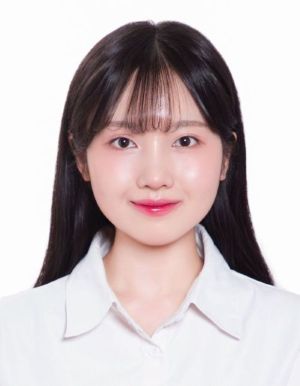
Do Thi Phuong Chi(School of Media and Communication ‘21)
Q. Could you briefly introduce your workplace and your role?
A. I work at DOCTORS DERMATOLOGY CLINIC as a member of the English Team in the Global Marketing Department.
My work focuses on global marketing and communications related to dermatology, skincare, and beauty. In particular, I support marketing activities aimed at English-speaking international clients.
Q. What inspired you to pursue a career in Korea?
A. After studying and living in Korea for many years, I developed a strong connection to its culture and everyday life.
I was also drawn to Korea’s strengths in beauty, skincare, cosmetics, and media fields I had long been interested in. My passion for marketing began while I was still studying in Vietnam. I wanted to build on the knowledge and experience I gained in Korea, develop my expertise, and establish a career here.
Q. When did you begin preparing for employment in Korea?
A. I began thinking seriously about my career after graduation while I was still at university. Alongside my studies, I worked on improving my Korean and regularly explored job opportunities and the Korean employment market.
One of my most meaningful achievements was successfully changing to an E-7 work visa shortly after graduation. It marked my transition from international student to working professional and allowed me to begin my career in Korea.
Q. How did your Korean language skills help during your job search and at work?
A. Korean has been important throughout both my job search and my working life.
When applying for jobs, it helped me understand recruitment notices, prepare application documents, and communicate my thoughts and experiences in interviews. At work, it helps me understand assignments, collaborate with colleagues, and communicate effectively.
Although I work on the English Team, I still use Korean regularly with my Korean colleagues. For international students, Korean is more than a communication tool. It is an important skill for adapting to life and work here.
Q. How did you find job openings and decide which positions to apply for?
A. I mainly used Korean job platforms such as Saramin and JobKorea, along with other recruitment services.
I searched using keywords such as “marketing,” “global marketing,” “overseas marketing,” and “English team” to find roles that matched my academic background and language skills.
Regularly reviewing job postings also helped me understand what employers were looking for and how recruitment trends were changing.
Q. What was the most difficult part of your job search, and how did you overcome it?
A. The most challenging part was the visa process, particularly understanding the requirements and procedures for changing from a student visa to an E-7 work visa.
For international students, finding a suitable position is only one part of the process. It is also important to check whether the role and employer meet the relevant visa requirements.
I researched the process, prepared the necessary documents, and contacted both my employer and the immigration office for guidance. I was eventually able to change to an E-7 visa shortly after graduation.
That experience taught me the value of gathering information early and taking an active role in preparing for each step.
Q. Why did you choose your current workplace?
A. The role was closely aligned with my interests and career goals.
I have always been interested in marketing, communications, and beauty. I also see Korea’s beauty and skincare industry as a field with strong international appeal.
I felt this position would allow me to apply what I had studied, explore my interests, and gain experience in global marketing.
Q. What do you consider your greatest strengths as an international graduate?
A. My greatest strengths are my understanding of different cultures, my adaptability, and my willingness to learn.
Having grown up in Vietnam and spent many years studying and living in Korea, I have experienced both cultures firsthand. I believe that perspective is valuable in an international working environment.
I am also persistent. When I encounter difficulties, I try to find solutions and keep working on the areas where I need to improve.
Q. Apart from Korean, what skills and experience did you develop?
A. I worked on building my knowledge of marketing and communications.
As a Media and Communication major, I studied marketing, market research, consumer behavior, and communication strategies. My interest in marketing-related activities began in my final year of middle school in Vietnam.
I have also been interested in video production and content planning, and I have continued learning about both. Together, these experiences gave me a foundation for the marketing work I do today.
Q. How did you prepare for Korean recruitment practices and interviews?
A. I regularly researched recruitment notices and hiring processes to understand how Korean employers recruit.
Before an interview, I learned about the organization’s business, products or services, and target customers. I also organized my self-introduction, reasons for applying, and relevant experiences.
Rather than memorizing every answer, I focused on expressing my thoughts naturally and showing sincerity and a willingness to learn.
Q. What did you focus on when writing your personal statement?
A. I wanted to present my own story and strengths rather than simply list experiences and achievements.
In particular, I tried to connect my studies and life in Vietnam and Korea to the position I was applying for. Instead of seeing my international background as a disadvantage, I highlighted the value of my language skills, cultural understanding, and perspective on overseas markets.
I also made sure to explain how my experiences related to the employer’s expectations and the responsibilities of the role.
Q. What advice would you give for making a positive impression in an interview?
A. Understand the organization and the role, and be ready to explain your experience with specific examples.
Before interviews, I researched the employer’s business, main services, and the responsibilities of the position. I prepared for questions about my background, motivation, strengths and weaknesses, and future goals.
Above all, I think it is important to communicate with confidence and honesty. You do not need to deliver a perfectly memorized answer to make a positive impression.
Q. What would you like other international students to know about preparing for a work visa?
A. In my experience, one of the most important and difficult steps was checking whether the position and employer met the E-7 requirements and preparing the documents correctly.
I would encourage students to consider visa matters alongside their job search. While still at university, they can begin looking into how their major, intended role, and prospective employer relate to the requirements.
Because visa rules and eligibility can vary depending on individual circumstances, I recommend checking information through HiKorea or the Immigration Contact Center at 1345.
Successfully changing to an E-7 visa shortly after graduation was an important step in starting my career in Korea.
Building a Foundation at Kwangwoon University
Q. Which aspects of your education at Kwangwoon helped you most in your career?
A. I majored in Media and Communication at Kwangwoon University, where I studied subjects including marketing, communications, market research, consumer behavior, and brand strategy.
Team projects and assignments also helped me develop communication, collaboration, creative thinking, and problem-solving skills.
Both the academic knowledge and the experience of working with others have helped me adapt to my current role in global marketing.
Q. Were there any activities or experiences that helped you develop practical skills?
A. My interest in marketing and communications began in my final year of middle school in Vietnam.
At Kwangwoon, I deepened that interest through team projects and assignments. Working with others to choose a topic, develop ideas, and produce a final outcome helped me strengthen my teamwork and problem-solving skills.
My interest in video production and content planning also played an important role in my decision to pursue marketing.
Q. Were any university support programs particularly helpful?
A. During my studies, I had opportunities to participate in support programs and activities for international students. These helped me better understand academic and everyday life in Korea and connect with different people.
I think expanding career counseling, employer partnerships, résumé and personal statement workshops, and interview preparation programs would be very helpful.
Mentoring sessions or talks by international alumni who have found jobs in Korea would also give current students practical insights into the process.
Q. How did interacting with Korean students help you prepare for life and work in Korea?
A. Interacting with Korean students helped me understand Korean society and culture.
It created more opportunities to use Korean in everyday situations and learn how people express their ideas, communicate, and relate to others.
These experiences can make it easier to adjust to life in Korea while also developing the communication and teamwork skills needed in the workplace.
Advice for International Students Preparing for Their Careers
Q. What three pieces of advice would you give to international students hoping to work in Korea?
A. First, keep improving your Korean. It is important not only for finding a job but also for working effectively and adapting to life in Korea.
Second, gain practical experience related to your field. Take part in projects and activities that help you develop your skills and build a portfolio.
Third, research work visa requirements early. Having gone through the E-7 process myself, I would strongly encourage students to check the requirements and procedures before graduation.
Q. What should students make sure they have prepared before entering the job market?
A. I would prioritize Korean language skills, knowledge of your field, and experience or a portfolio that demonstrates what you can contribute.
International students can also draw on their understanding of both Korea and their home country. Language ability is valuable, but being able to explain how your cultural knowledge and experience can benefit an employer is equally important.
If you plan to work in Korea after graduation, begin preparing for the visa process while you are still studying rather than waiting until you have accepted a job.
Q. What additional support would you like universities to offer international students?
A. I would like to see more opportunities for international students to connect with employers.
Job fairs, company information sessions, internship partnerships, and career mentoring could all provide practical support.
Access to work visa information and specialist guidance would also help reduce the uncertainty students face as they prepare for employment after graduation.
Q. What helps international graduates adapt to Korean workplace culture?
A. Alongside professional skills, clear communication and mutual respect are essential.
It is important to understand how the organization works, communicate actively with colleagues, and be willing to collaborate. When something is unfamiliar, ask questions. Be open to feedback and keep improving.
I also think it is important not to limit yourself because you are an international employee. Approach the new environment with a willingness to learn and adapt.
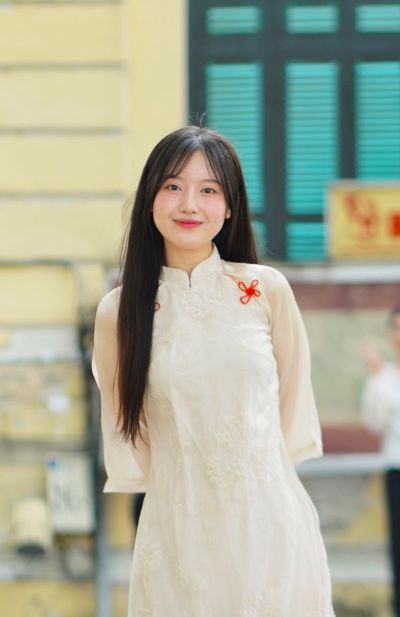
A. I want to continue developing my expertise in marketing and communications, particularly global marketing.
I hope to gain more experience in beauty, skincare, and cosmetics, and strengthen my ability to plan and carry out marketing strategies for overseas audiences.
In the long term, my goal is to become a global marketing professional who connects the Korean and Vietnamese markets through language skills and an understanding of both cultures.
To international students studying and preparing for work in Korea, I would say, believe in your potential and keep taking steps toward your goals.
My own journey was not always easy, but I was able to change to an E-7 visa shortly after graduation and begin my career here. With preparation and persistence, you can move closer to the future you want.



