From International Student to Professional in Korea
: A Journey of Persistence and Growth
- How Kwangwoon University Empowered an International Student’s Journey
from Campus to Career-
From building strong language skills to navigating the Korean job market, an international student DAO THI ANH NGUYET(Korean Language and Literature ‘21) from Kwangwoon University shares the journey behind her employment success in Korea.
Now working as a coordinator at Urban Plastic Surgery, she reflects on how her university experience, practical work experience, and determination helped her launch her career and shares valuable advice for international students aspiring to work in Korea.
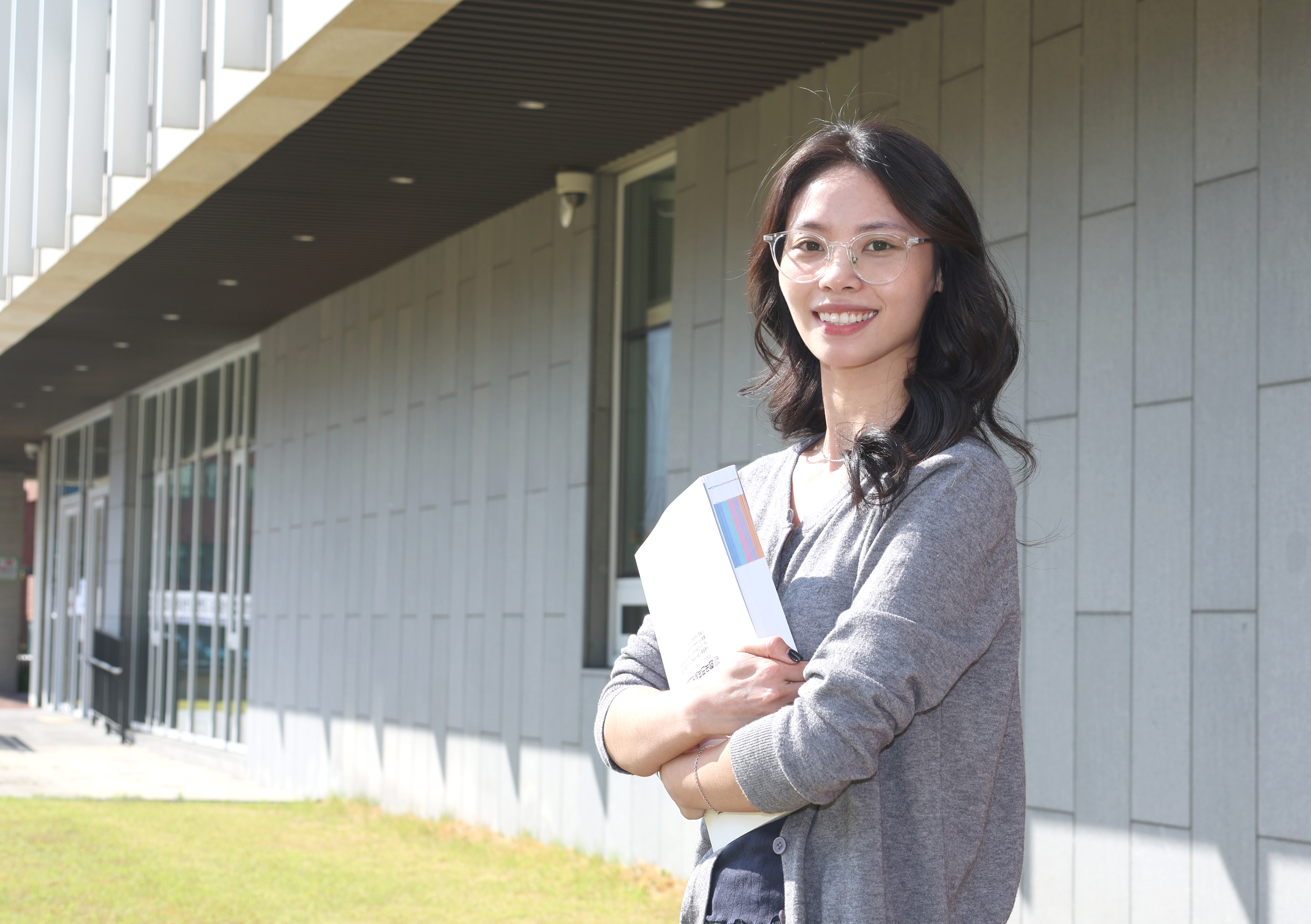
DAO THI ANH NGUYET(Korean Language and Literature ‘21), Urban Plastic Surgery
Q. Could you briefly introduce your current workplace and responsibilities?
A. I currently work as a coordinator at Urban Plastic Surgery. My main responsibilities include interpreting for and assisting international patients, as well as handling general hospital duties alongside Korean staff members.
Q. What first inspired you to pursue a career in Korea?
A. I have always loved the Korean language and culture. I wanted to gain hands-on work experience in Korea that would help me build my future career. Since workplace cultures and working styles differ from country to country, I decided to pursue employment in Korea to gain a deeper understanding of Korean corporate culture and the local working environment while living here.
Q. When did you begin preparing for employment, and how long did the process take?
A. I began preparing seriously during my third and fourth years of university. To strengthen my résumé, I actively participated in campus activities, career-related courses, volunteer work, and other extracurricular activities. I finalized my application documents within one week of graduation, and the overall preparation process took approximately one year.
Q. How helpful were your Korean language skills and English proficiency in your job search?
A. Fluency in Korean and English can make a strong first impression on recruiters. Regardless of the position, one of the first things interviewers assess is whether a candidate can communicate effectively. In my opinion, fluent Korean is a particularly important factor in determining whether a candidate succeeds in the recruitment process.
Q. How did you find job openings and apply for positions?
A. I actively used major Korean job-search platforms and websites, including JobKorea and Albamon, which were recommended by senior students and alumni. These platforms helped me find relevant job openings and submit applications.
Q. What was the most challenging part of your job search, and how did you overcome it?
A. Writing my résumé was the most challenging part. I revised it countless times to increase my chances of securing an interview.
On one occasion, a recruiter told me that my résumé was too simple and did not stand out beyond my academic performance. That feedback became a turning point. Instead of simply listing my grades and academic achievements, I completely revised my résumé to focus on how my skills and experience could contribute to the specific role and organization. This helped me present myself as a stronger candidate.
Q. Why did you decide to join your current company?
A. I enjoy communicating with people and have a strong interest in K-pop, interpreting, and translation. My current position allows me to interpret for international patients while also supporting the daily operations of the hospital alongside Korean staff. I saw this as an exciting new challenge and an opportunity to further develop my communication skills, which motivated me to join the company.
Q. What do you consider your greatest strengths as an international student seeking employment in Korea?
A. My strongest advantage was my ability to communicate fluently in Korean, which helped me make a strong impression during interviews. In addition, I have basic proficiency in English and Chinese, strong concentration, and the ability to learn quickly. I believe these qualities helped distinguish me from other candidates.
Q. What skills did you develop in addition to Korean?
A. During university, I took additional Chinese and Japanese courses to broaden my language skills. I also actively participated in classes and team projects with Korean students, which helped me develop teamwork and collaboration skills.
Q. How did you prepare yourself for Korean corporate culture and interview practices?
A. Interview formats vary from company to company, so I proactively searched for interview tips and instructional videos on social media and online platforms. I also practiced repeatedly in front of a mirror to improve my confidence and prepare myself to perform well during interviews.
Q. What did you pay particular attention to when writing your résumé and personal statement as an international applicant?
A. I focused on clearly explaining what I had learned in Korea and how that knowledge and experience could help me contribute to the specific position and organization I was applying to. I wanted to demonstrate a clear connection between my university experience and the practical requirements of the job.
Q. Do you have any personal tips for making a positive impression during an interview? What questions were you frequently asked?
A. I believe maintaining a warm smile and sitting with good posture are important. Even while waiting for an interview, it is essential to keep your appearance neat and professional and to maintain a confident, composed posture. These small details can contribute to a positive first impression.
Q. Did you face any challenges when changing your visa status for employment? What should international students keep in mind?
A. Changing my visa status was not particularly difficult in itself, but the process took longer than I expected. Since I found employment in a field different from my university major, I needed to prepare additional supporting documents and proof of qualifications. I recommend that other international students research the requirements in advance and take the initiative to prepare all necessary documents thoroughly.
Q. Which courses, majors, or university activities contributed most directly to your employment success?
A. Career Strategy, Chinese and Japanese language courses, and Korean language major courses were particularly helpful. In addition, serving as vice president of the Vietnamese International Students Association on campus helped me develop leadership and organizational management skills.
Q. Did any extracurricular activities, part-time jobs, internships, or other experiences help you develop practical career skills?
A. My most valuable experience was working at a marketing company for approximately five months after graduation. This experience gave me a better understanding of Korean workplace culture and practical business operations.
Since the company was involved in marketing related to the plastic surgery and beauty industries, I was also able to develop a deeper understanding of industry-specific terminology and professional knowledge.
Q. Which university career support programs would you particularly recommend to international students?
A. The Career Strategy course was the most useful program for me. The professor actively shared information about companies interested in hiring international applicants, as well as job fairs and recruitment events specifically designed for international students.
These opportunities helped me access practical recruitment information and employment opportunities that would have been difficult to find on my own.
Q. How did interacting with Korean students influence your job preparation and life in Korea?
A. Regular interaction with Korean students helped me become more confident in communicating in Korean. I also learned by observing their strong academic commitment and efficient approaches to teamwork and group projects. These experiences helped me grow both academically and personally.
Q. What three pieces of advice would you give to international students preparing for employment in Korea?
A. First, improve your Korean language skills as much as possible. Effective communication is one of the most fundamental keys to employment success.
Second, start preparing your résumé and application documents early and take the process seriously. Well-prepared application materials can open doors to valuable opportunities.
Third, stay determined and keep working toward your goal. If you remain committed and persevere, you will eventually find a position that suits you well.
Q. What is one thing international students should definitely prepare before applying for a job?
A. Research the company, the position, the application requirements, and the interview format thoroughly before applying. The better prepared you are and the more you understand the organization, the more effectively you can present yourself during an interview.
Q. What additional support would you like your university to provide for international students?
A. I would like the university to share internship opportunities more frequently and establish more programs that directly connect international students with companies offering internships. Such initiatives would give students more opportunities to gain practical work experience before entering the job market.
Q. What do you think is important for adapting successfully to Korean workplace culture after getting a job?
A. No one adapts perfectly from the beginning, and making mistakes is a natural part of the learning process. What matters most is taking responsibility for your mistakes, acknowledging them proactively, and applying feedback to avoid repeating them.
There may also be people you find difficult to get along with in any workplace. Rather than becoming overly concerned about interpersonal differences, I believe it is important to focus on your responsibilities and do your job well.
Q. What are your future goals and plans?
A. I will continue to fulfill my responsibilities as a coordinator and build my practical professional skills. At the same time, I hope to save money steadily and eventually achieve my dream of establishing and running my own Korean language academy, Ain Korean Language Academy.



